

What does Open pollinated mean?
Sometimes you hear a term that a seed was open pollinated. This means that the plant that the seeds came from was grown in an environment that allows free access to pollinators so pollination occurs by insects, birds, wind, people or other natural methods. A perfect example of open pollination is outside every single plant that is growing outside in an uncontrolled environment is partaking in open pollination. This can causes inadvertent cross pollination that results in a different type of product with the seeds harvested from the plant.
A prime example is a lemon squash I collected that looked like it was crossed with some zucchini of some sort and the shape resulted into a pear shaped squash with a spot of yellow, and the rest looked like zucchini. The inside definitely looks like lemon squash. This is the result of a cross pollination within an open pollinated environment,
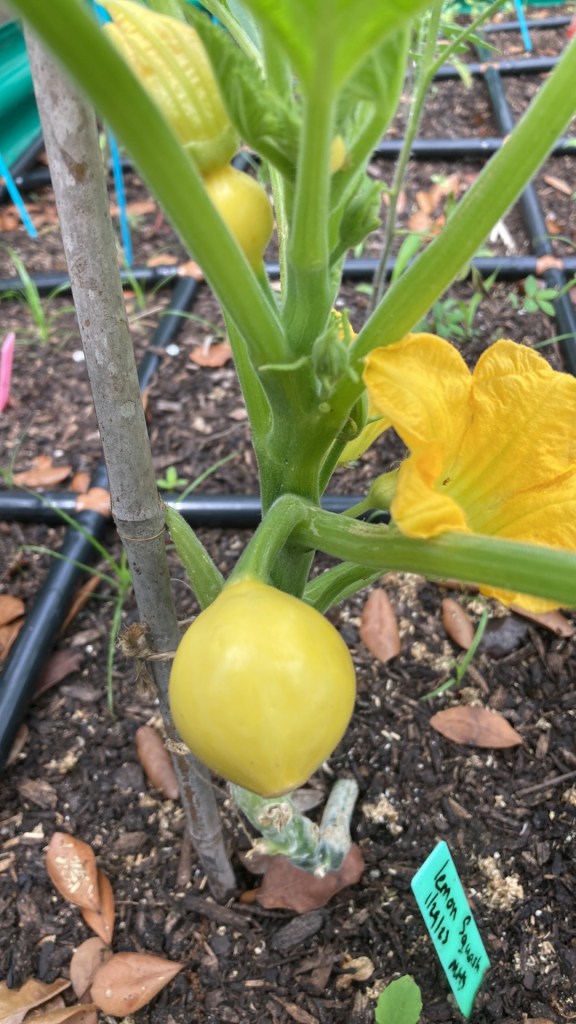

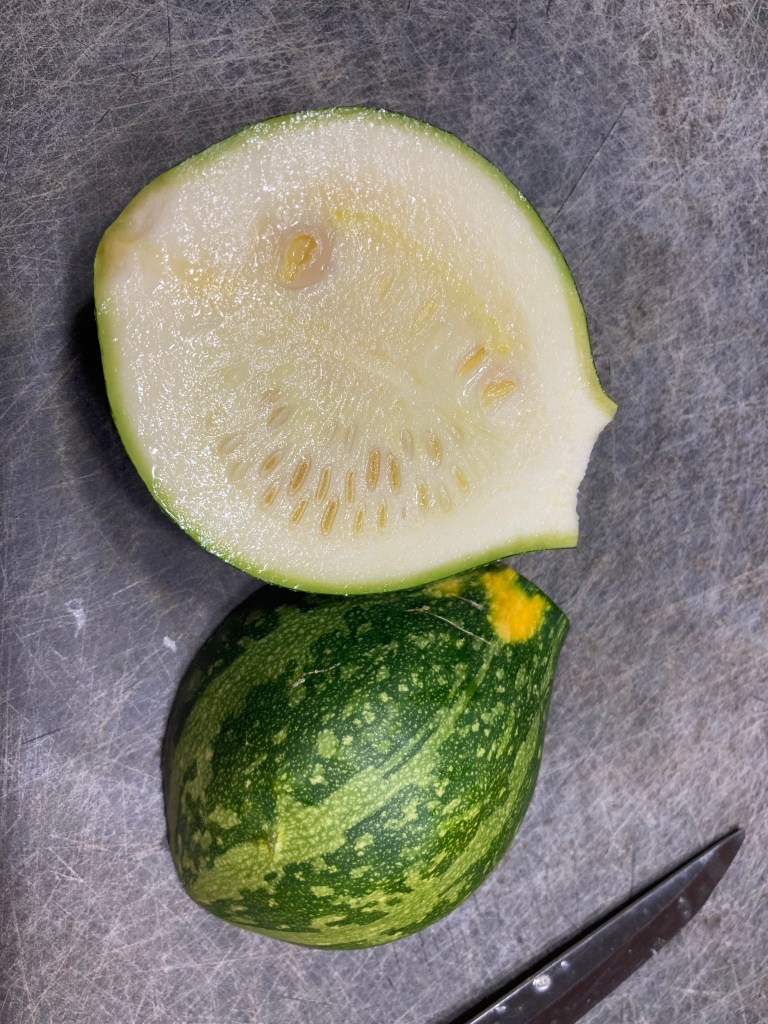
Open pollination allows for better adaptation of plants in different environments and contributes so a more genetically diverse seed is generated. Subsequent generations will be better adapted to the growing environment than when you grew them in the first time.
Now with that said, because pollinators visit many plants in their environment, open pollination will cause a greater amount of variation within plant populations. As long as pollen is not shared between different varieties within the same species such as different squash types or different tomato types, for example, then the seed produced will remain true-to-type with every subsequent harvest.
What do they mean by Heirloom?
I would like to note that all heirlooms must be open pollinated in order to qualify as an heirloom, though not all open pollinated plants are heirloom!
Companies like to use buzz words, and heirloom has become a buzzword for an old variety that is more than 50 years old for example. But this is not what heirloom is supposed to mean.
True heirlooms were passed down from generation to generation, and sometimes, they were not passed down at all and just stored in a cave for 1500 years before someone found the seed stash and said let’s see what grows. Each heirloom tells a story. True heirlooms have historical significance. Examples I can give you of varieties that George Washington brought to America such as Cardoon and foxglove. Another good example are varieties that the native Americans cultivated such as the Seminole Pumpkin, or varieties that African American slaves brought over and grew to survive such as brown crowder pea from West Africa, Louisiana eggplant, peanuts, okra, hot peppers, and lots of other greens and squashes. These seeds have been passed on for generations between families, friends, and neighbors, and wherever these seeds took, they settled, just like the people that moved there, and they adapted.
Hybridization Explained
Now, lets jump to hybridization. This is another type of pollination but done in a controlled environment by man, in an effort to create a variety with specific traits. now you can inadvertently hybridize your own seeds by let’s say you are hand pollinating different squashes with the same brush, or you have two different varieties of squash in the same bed.
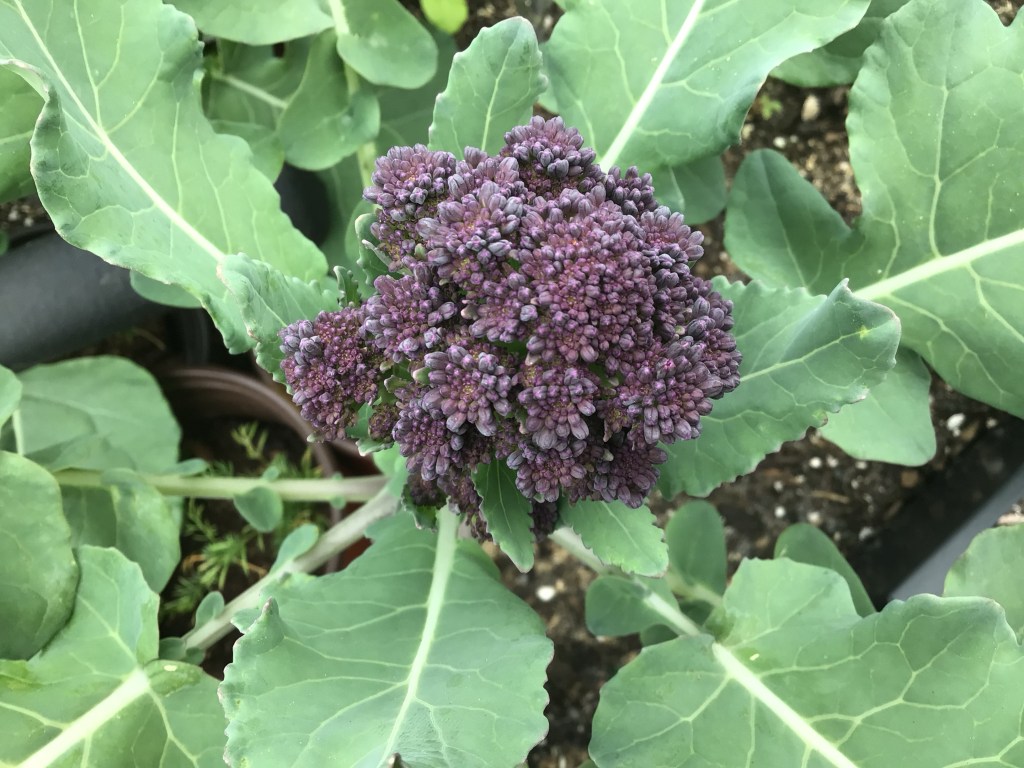
One reason for hybridization is to build better pest and disease resistance. Hybrid first generation is called F1 seed. This seed was intentionally created by crossing two specific varieties. The first generation tends to be vigorous, producing better yields than the parent plants. The seed that form on hybrid plants is not true to seed, meaning your purple broccoli seeds that you harvested my produce some other brassica and they will be less vigorous than even the original parent plants. Therefore when you purchase hybrid seed, you will need to buy new seed every year to grow the same plant.
Conclusion
None of these types of seeds are bad perse, it depends on your expectations, gardening style and purpose on how you make your choice, and this choice is personal.
Personally, I love my heirloom open pollinated seeds. To me these seeds have held up in the test of time and their genetics have strong survival instinct and with that they have proven their adaptability.
I buy most of my seeds at Mary’s Heirloom Seeds. Her seeds have a super high germination rate. Mary has a wealth of knowledge and is always ready to help her customers. Her comprehensive planting guide, her videos, and the information on her website contain all the information you need to make your gardening efforts a success.
 Inga’s Creations