

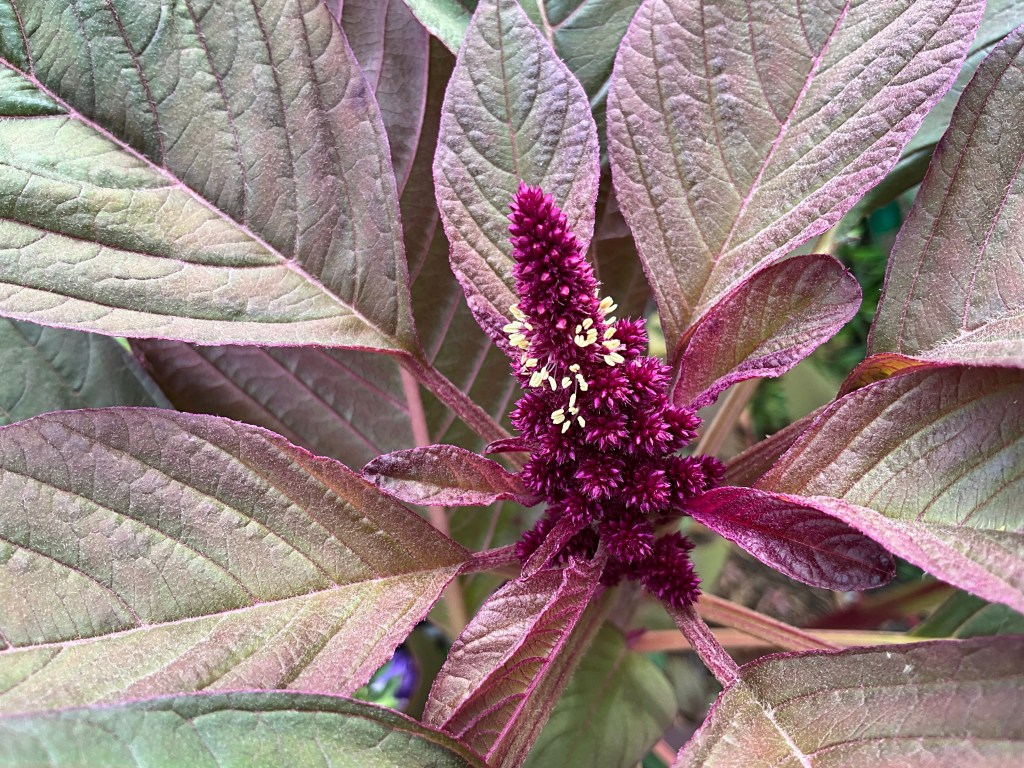
Amaranth is an amazing plant, it is an herbaceous pseudo cereal, It is more herb than grain with its long stalks, leafy stems. It is a spectacular show when the flowers appear.
Growing Amaranth
I grew amaranth last year and this year, it self seeded. The grains or seeds readily self-seeds and can become kind of weedy, and that is ok, because it is an absolutely stunning plant that is perfect if you wish to decorate a boring corner in your yard. As an added bonus, you can eat the grains and the leaves too!
Amaranth is extremely easy to grow. It does not care about soil conditions and even sprouts in Florida soil without amendment of the soil. It thrives in hot climates, and is not picky about watering needs. The only challenges that Amaranth has are wind and deer. Deer enjoy amaranth as an evening snack and so if you have deer, I would either not grow it or fence it so deer cannot get to it.
Harvesting Amaranth
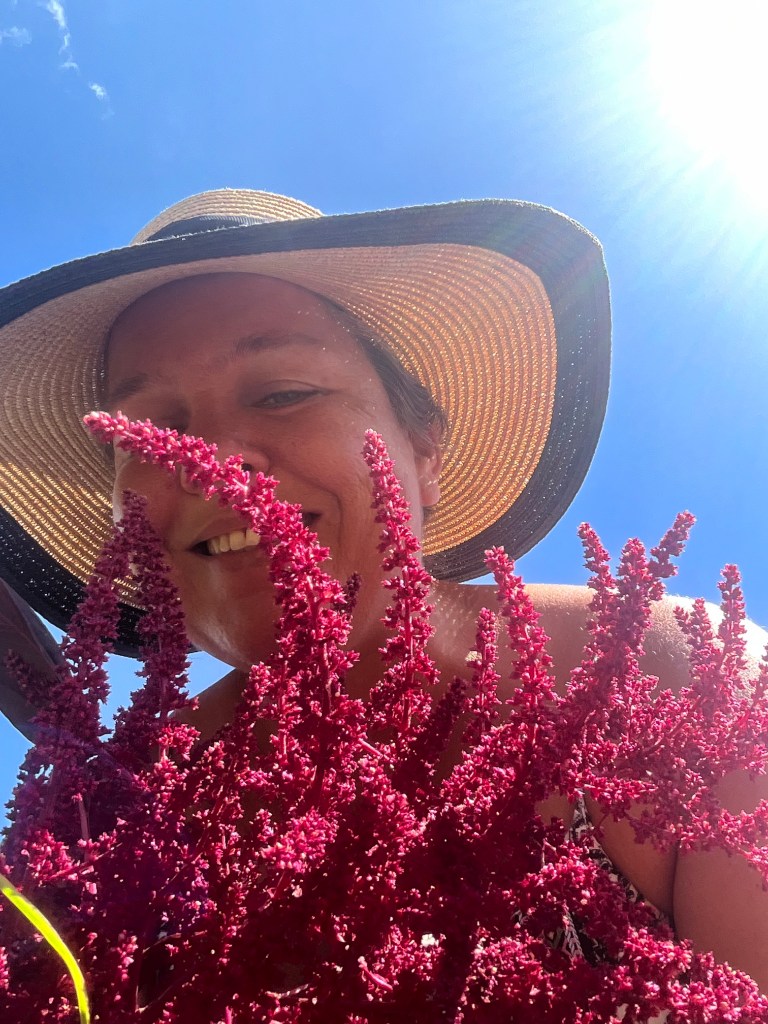
Amaranth can be eaten as a microgreen in salads when small. And when bigger, the leaves can be cooked down like a spinach. The grain is harvested by rubbing the flower clusters in between your fingers and when you hold a large bowl under the flower to capture the grain. It will contain flowers as well but since the grain is heavier than the flower you can either blow, or use a fan to blow the red flower parts out of the grain. It is ok to leave a few petals in there.



Benefits
Amaranth is considered a super food Amaranth is rich in antioxidants, and vitamins A, C, E, K, B5, B6, folate, niacin, and riboflavin and calciumThese act as antioxidants, it can increase your energy levels, control hormones, It is said to reduce inflammation, lower cholesterol levels, and it promotes weight loss. It also helps build muscle, it prevents osteoporosis, combats anemia, and it even prevents your hair from going gray! In addition it may help those with celiac disease, and it could help control bloodsugar in those that have diabetes.
Amaranth is capable of fixing carbon in high temperature, low moisture environments. Amaranth’s high nutrient content, drought tolerance and extremely low water requirements have generated new interest in growing and breeding of Amaranth as a sustainable food source as farmers face the challenges of climate change.
History
In the 16th century the Spanish conquistadors banned the plant’s cultivation, as they were afraid that the spiritual connection of amaranth as above would hinder the establishment of Catholicism in the Americas.
The oldest evidence of amaranth being cultivated as a crop was located at an archeological site in Northern Argentina that is believed to be 8000 years old. This variety was Amaranthus Cruentus which is red Amaranth. Mary’s Heirloom Seeds offers this amaranth as Hopi Red Dye Amaranth.
This Amaranthus Cruentus was a sacred grain among the Aztecs, Mayans, and the Incas, who made offerings out of this grain combined with honey to their Gods. They made offerings with the seeds for human offerings by making statues with honey, human blood, and amaranth to honor Huitzlopochtl. In current day Mexico, people still use amaranth for dia de los muertos, or the day of the dead. Skulls are crafted for this event using amaranth and honey. People will leave raw amaranth seeds on the altar to offer treats to the spirits of their ancestors.
Recipes
There are many recipes that can be made with amaranth varying from porridge to amaranth flour based recipes. Google amaranth recipes or try the ones that I saved for myself to try!
- Creamy amaranth porridge
- Alegria Amaranth candy
- Amaranth Tikki
- Mexican black bean stew with amaranth grain
- Chickpea and carrot casserole
- Chocolate amaranth pudding
Amaranth as a Dye
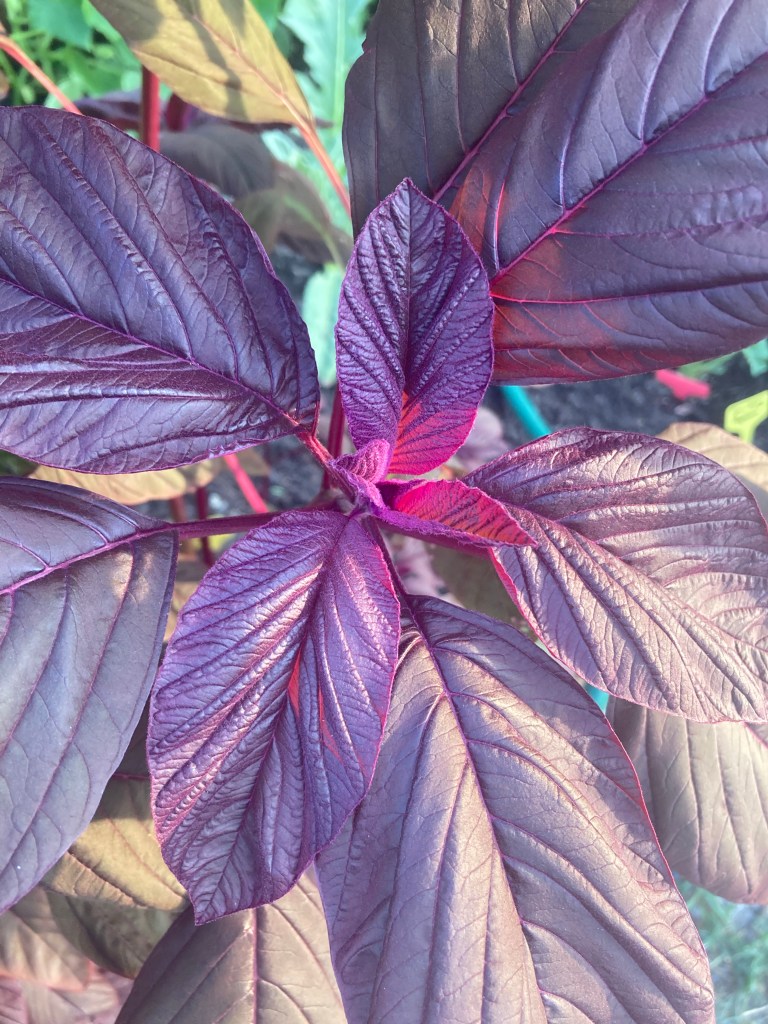
The flowers and the leaves can be used as a dye. There are different types of amaranth, some are red, some are orange and some are green. For the red variety such as Hopi red dye, you can use both the leaves and the flowers. If you have the orange variety, you would just use the flowers.
Since the dye breaks down with high heat, to create the dye, you can use a process called solar dying, fill a gallon sized glass jar or jug with plant materials. Cover, and then set in the sun for a week to let it steep, it is literally similar to making sun tea!
You can click here to download a guide about the process for natural dying so you can learn about mordanting which is a preparation process that will make your dye stick to the fibers of the textiles you wish to dye. There are different ingredients that you can use that will each yield different results such as alum, cream of tartar. Anyway, I am by no means a dye expert though the process intrigues me, so I looked it up. If you manage to dye something, send me a message and let me know how it turned out!
Precautionary Statements
Please note that amaranth tends to collect the nitrates in its leaves if plants are grown in artificial fertilizers or in areas that experienced pollution due to flooding. Per PFAF.org, Nitrates are implicated in stomach cancers, blue babies and some other health problems. They also state that therefore, it is inadvisable, to eat this plant if it is grown inorganically.
The leaves contain oxalic acid so you do not want to eat a lot of the leaves if you have kidney dysfunction.
Disclaimer
This information is for educational purposes only, and should not be considered as medical advice as I am not a doctor and before consumption or attempting to use this as a supplement, I recommend that you please check with a certified medical professional who is specialized in herbal medicine since it could potentially interact with other medicines and conditions, with that said, overall, this is a great herb to grow!
 Inga’s Creations